


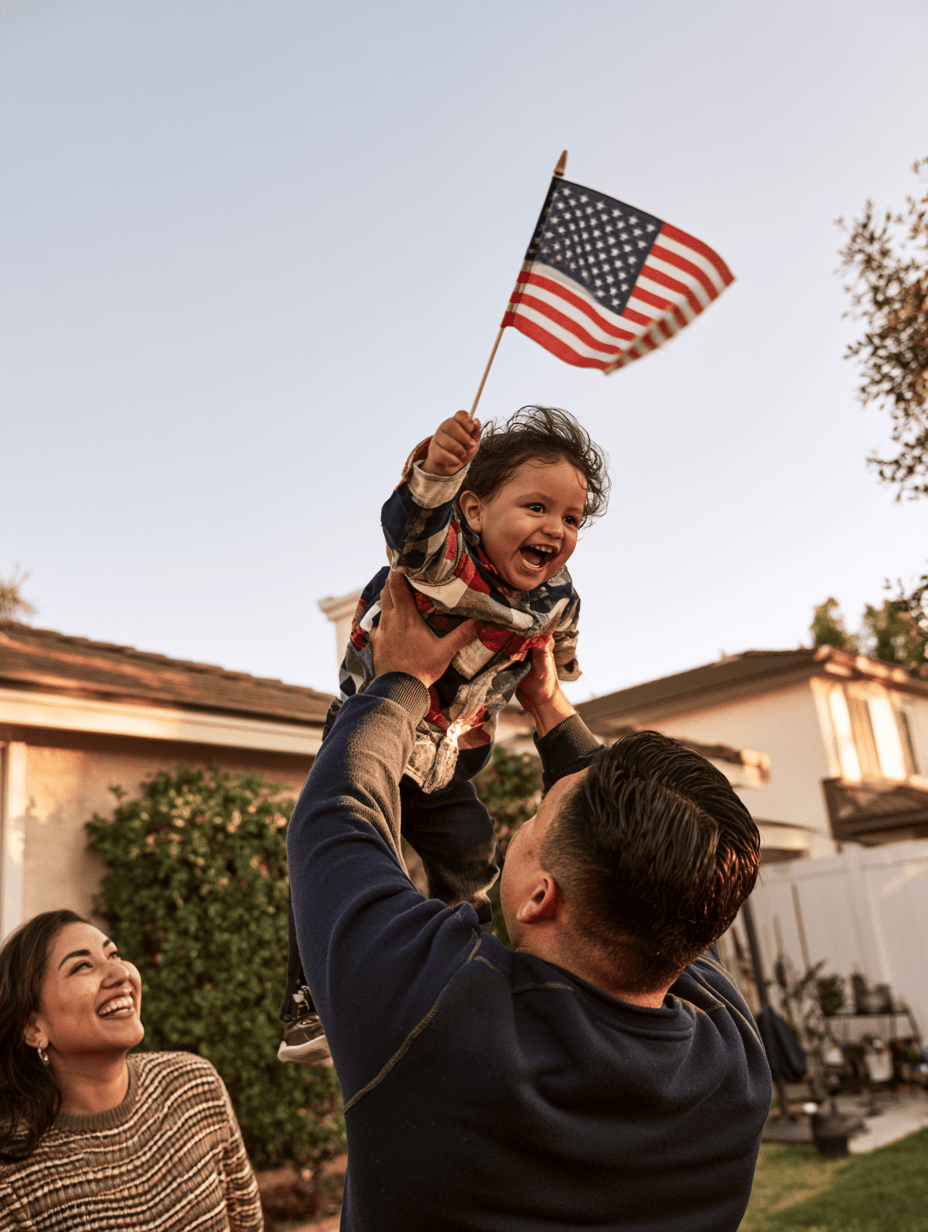

How to Prove U.S. Citizenship
Proving U.S. citizenship is often necessary for employment, government benefits, or passport applications.

The Naturalization Process: Becoming a United States Citizen
Becoming a U.S. citizen grants fundamental rights like religious freedom and free speech, along with important responsibilities such as jury duty.

Military Service and Fiancé Visas: What you Need to Know
Military service members can sponsor their foreign-born spouses or fiancés for U.S. permanent residence through Forms I-130 or I-129F.

How Old Do I Need to Be to Be the Beneficiary of a Fiancé Visa?
The K-1 fiancé visa allows you to enter the U.S. to marry a citizen, but you must meet strict USCIS requirements. One key requirement is being of legal marriageable age in your intended state.

5 Things to Remember When Filing Immigration Applications
Immigration applications require extensive documentation beyond just official forms.

When Do I File the I-751 Petition to Remove Conditions on Residence?
Learn when to file the I-751 petition to remove conditions on your residence and transition to permanent resident status. Conditional residents have full rights but must satisfy requirements within specific timeframes.

Waiving the Joint Filing Requirement for Form I-751
The I-751 Petition removes conditions on your spouse's residency, converting their status from conditional to permanent resident.

What Questions Will I Be Asked at My Marriage-Based Green Card Interview?
Prepare for your marriage-based green card interview by understanding what to expect. USCIS officials will ask varied questions to verify your relationship's authenticity—arrive early, dress professionally, and bring you.

What Evidence Do I Send With My Fiancé Visa Application?
Your fiancé visa application requires evidence proving your relationship and marriage intent with a U.S. citizen whom you've met in person within two years.